What does the GTA benchmark test?
It tests how AI models create a playable 3D open-world city with traffic, pedestrians, police, missions, and audio.
LLM benchmark
Each model starts with the same demanding assignment: build a browser-based 3D open-world city inspired by Miami, with cars, pedestrians, police, missions, and synthesized audio. The strongest results are playable, but even those have bugs; lower-ranked outputs are incomplete or unplayable.
Full ranking
The default ranking reflects the practical result. Filters keep the ranking intact and only hide runs that do not match.
No model matches the selected filters.
| Preview | Model | Type | Parameter count / requirements** | Result | Bugs | Note | Demo |
|---|---|---|---|---|---|---|---|
|
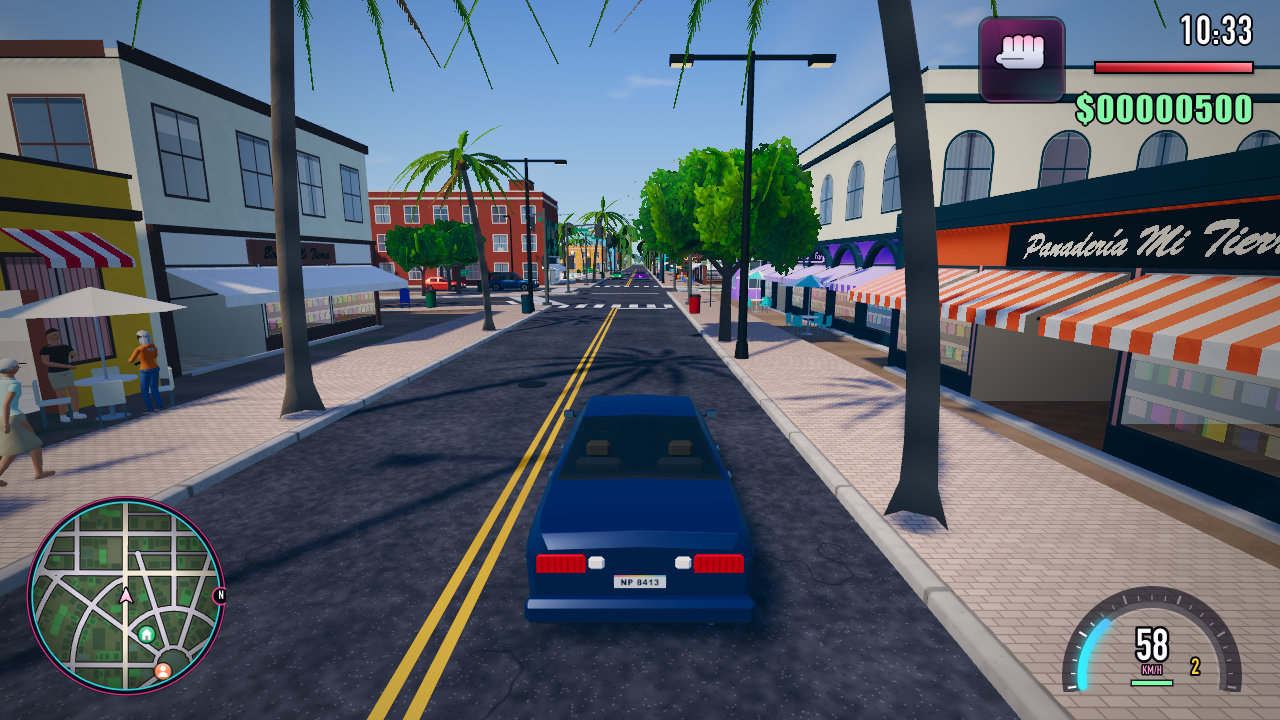
1Claude Opus 5.5 | Closed | — | Many bugs | No corrective implementation prompts; only guidance on concurrent agent count. The full run from the first prompt took 35 h 49 min; it used 130% of a USD 100 subscription allowance including one reset, hit the 5-hour limit several times, and the main agent reached 693.9K context.Show moreShow lessNo corrective implementation prompts; only guidance on concurrent agent count. The full run from the first prompt took 35 h 49 min; it used 130% of a USD 100 subscription allowance including one reset, hit the 5-hour limit several times, and the main agent reached 693.9K context. |
Demo | |
|
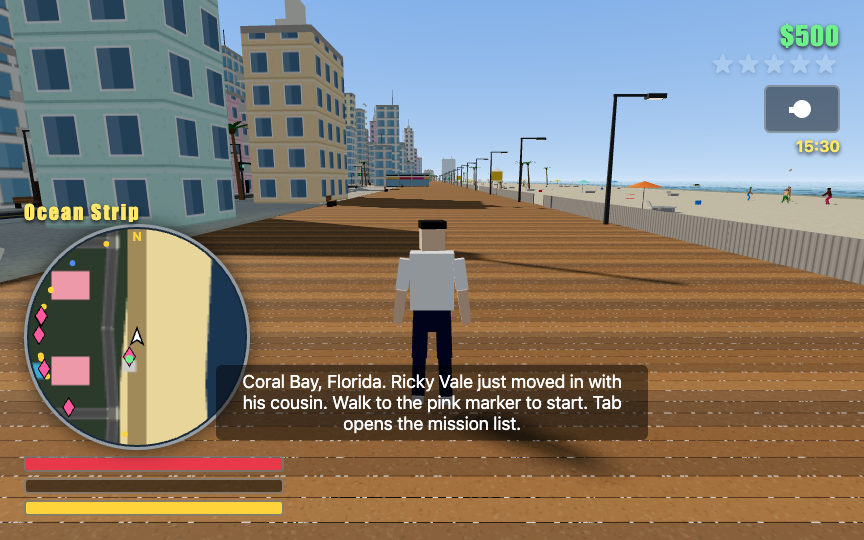
2Claude Fable 5.1 | Closed | — | Many bugs | About 1 h 50 min after the first prompt · approximately USD 50 · 623K context. | Final demo One-prompt demo | |
|
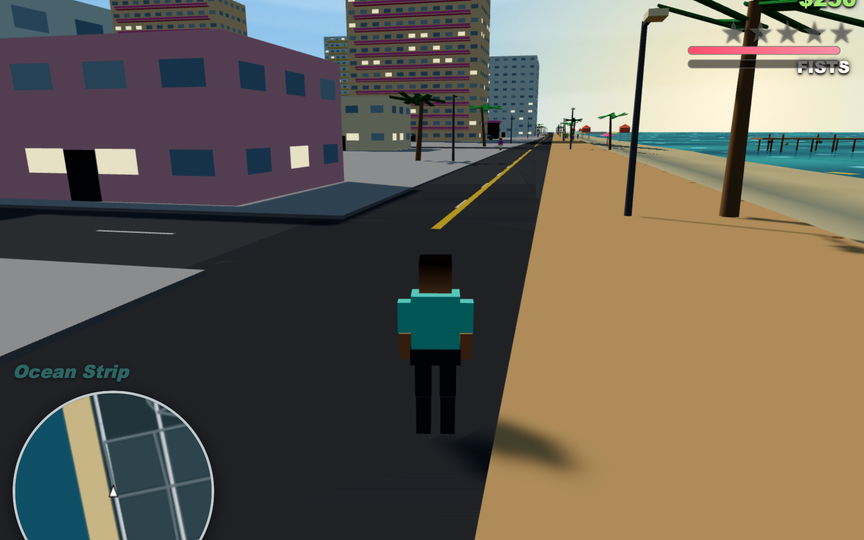
3Claude Fable 5 | Closed | — | Many bugs | 1 corrective prompt. About 1 h 20 min generation after the first prompt; nearly 400K context. | Demo | |
|
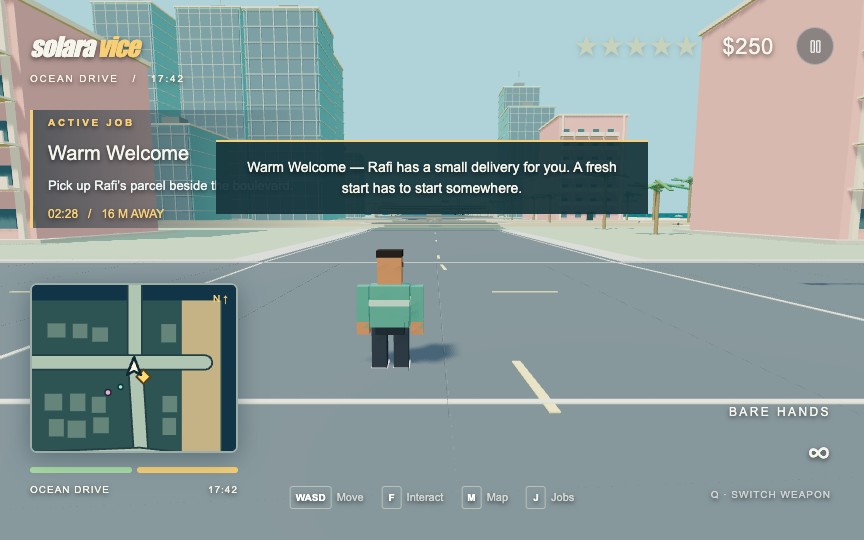
4GPT-6 Astra | Closed | — | Many bugs | 3 prompts for minor control fixes, especially missing mouse support. Generation after the first prompt took 35 min.Show moreShow less3 prompts for minor control fixes, especially missing mouse support. Generation after the first prompt took 35 min. |
Demo | |
|
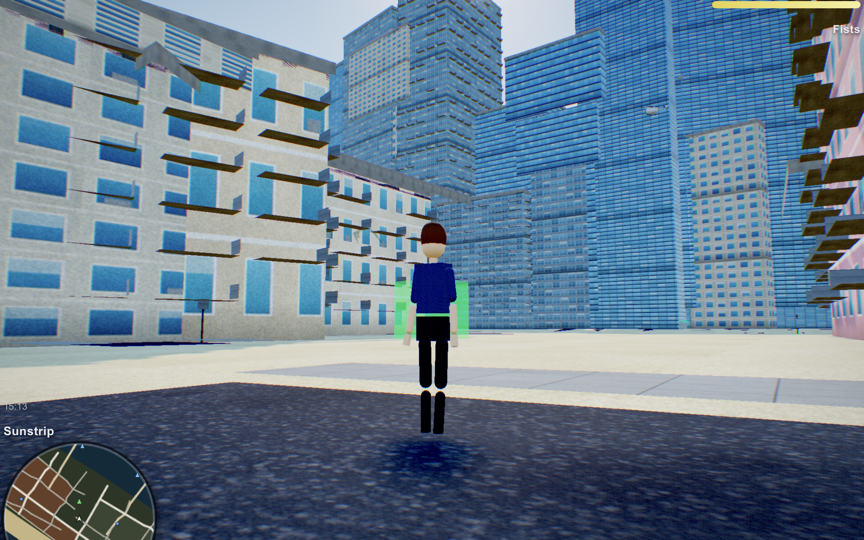
5Claude Opus 5 | Closed | — | Very many bugs | 1 corrective prompt for controls. The city has impressive textures, but its buildings overlap. | Demo | |
|
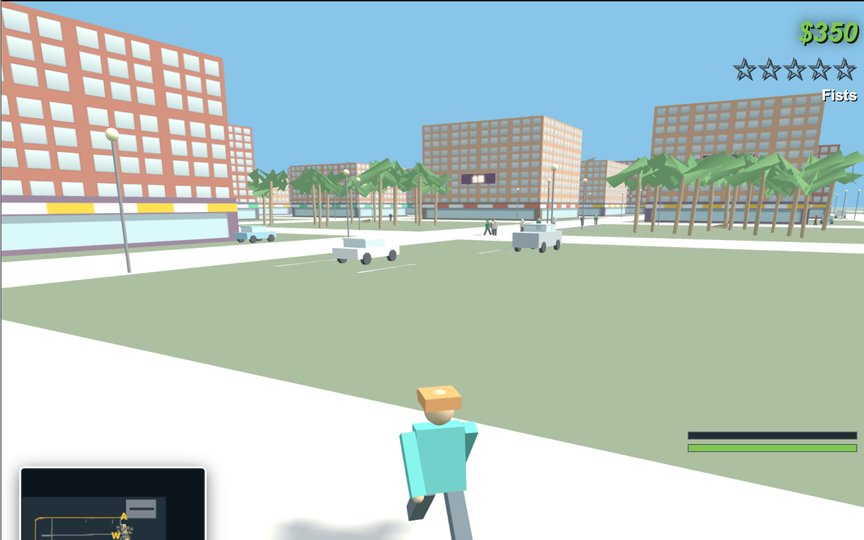
6GLM 5.3 Flash | Open-weight | 320B ≈196.6 GB | Many serious bugs | Required 2 corrective prompts for controls. About 1 h 4 min generation after the first prompt; the connection dropped several times.Show moreShow lessRequired 2 corrective prompts for controls. About 1 h 4 min generation after the first prompt; the connection dropped several times. |
Demo | |
|
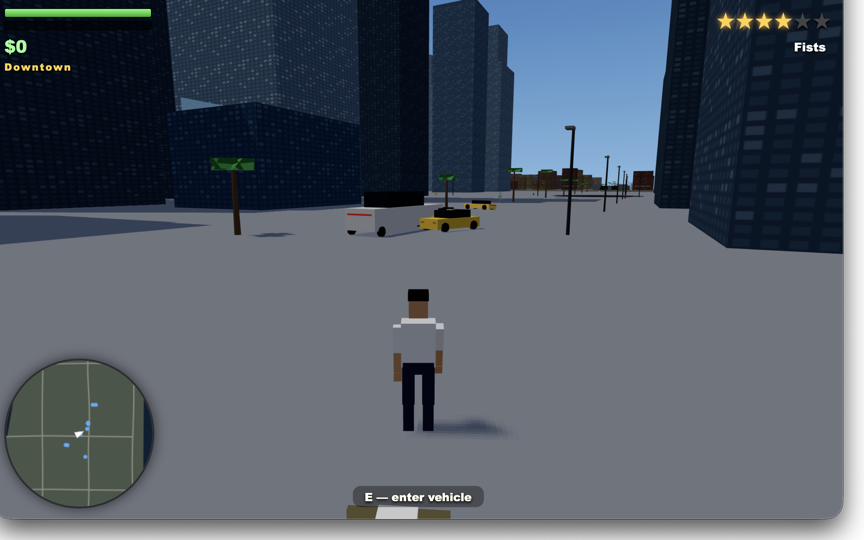
7Kimi K3 | Open-weight | 2.8T 1.56 TB ≈147.9 GB / 100K | Very many critical bugs | 1 corrective prompt for controls. About 4 h generation after the first prompt; USD 89. | Demo | |
|
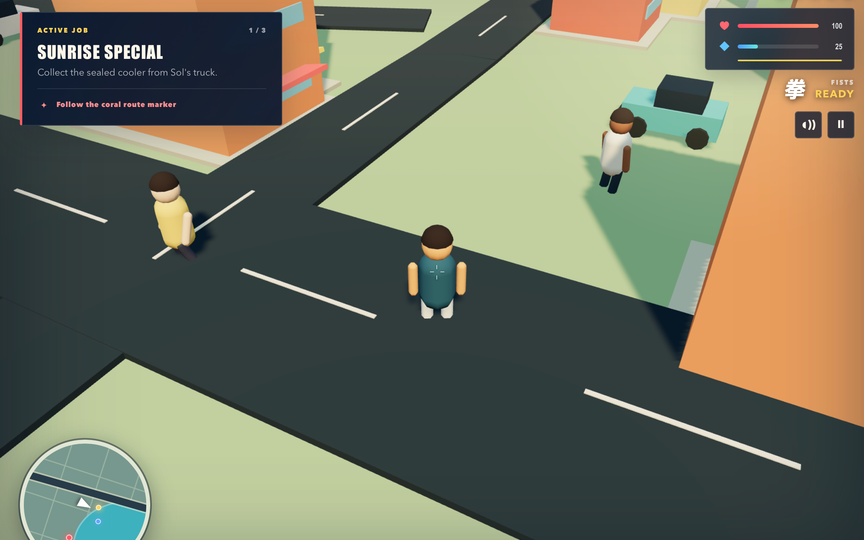
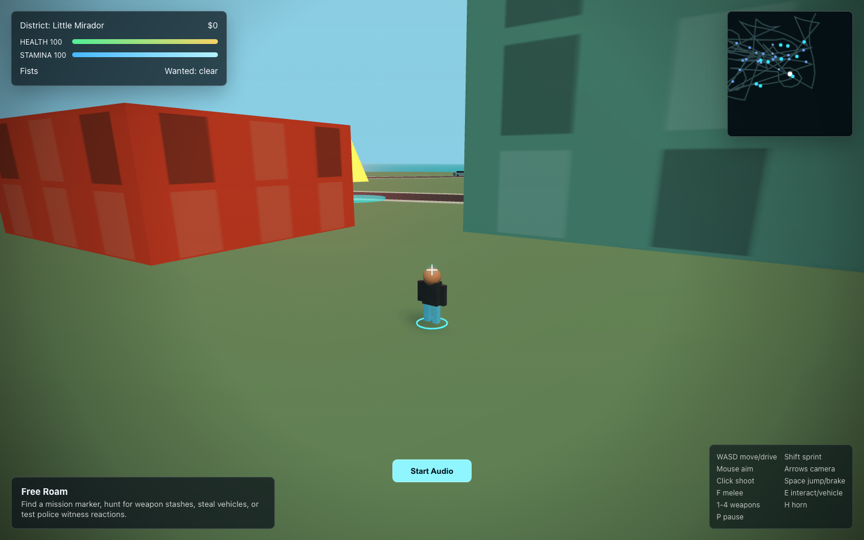
8GPT-5.6 Sol | Closed | — | Very many bugs | Required 2 corrective prompts for controls. | Demo | |
|
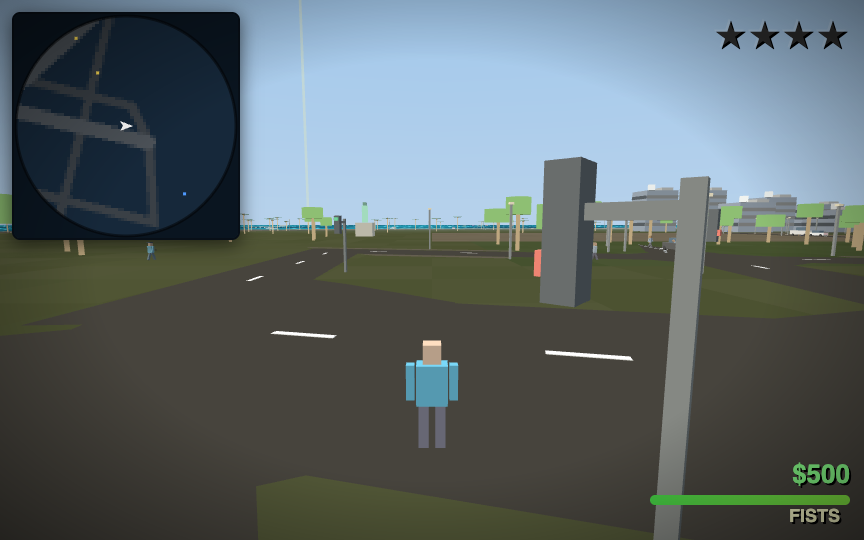
9GPT-5.5 | Closed | — | Very many bugs | - | Demo | |
|
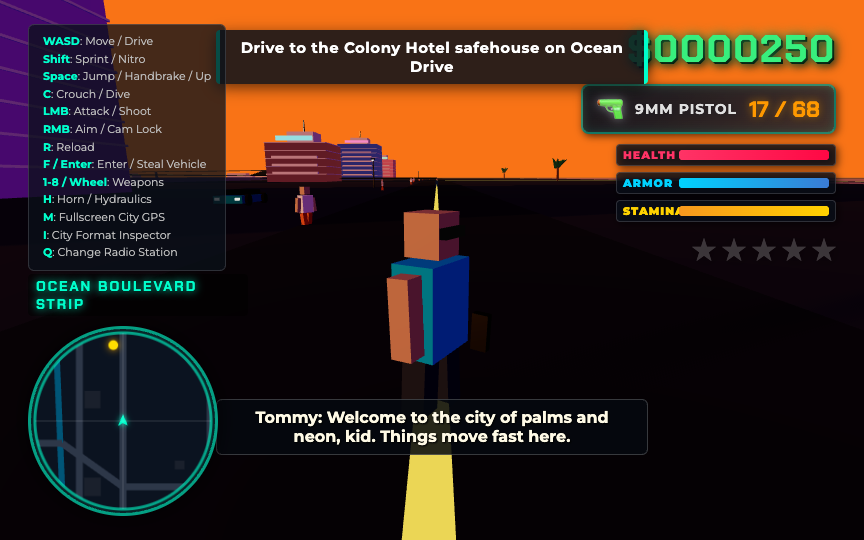
10Qwen 3.8 Flash Q2 | Open-weight | 180B ≈110.1 GB | Very many serious bugs | The game rendered nothing after the first prompt. One corrective prompt made it display; controls and broken buildings required at least 10 more prompts. A total of 21 corrective prompts were used. Q2 quantization; generation after the first prompt took about 4 h 13 min.Show moreShow lessThe game rendered nothing after the first prompt. One corrective prompt made it display; controls and broken buildings required at least 10 more prompts. A total of 21 corrective prompts were used. Q2 quantization; generation after the first prompt took about 4 h 13 min. |
Demo Two-prompt demo | |
|
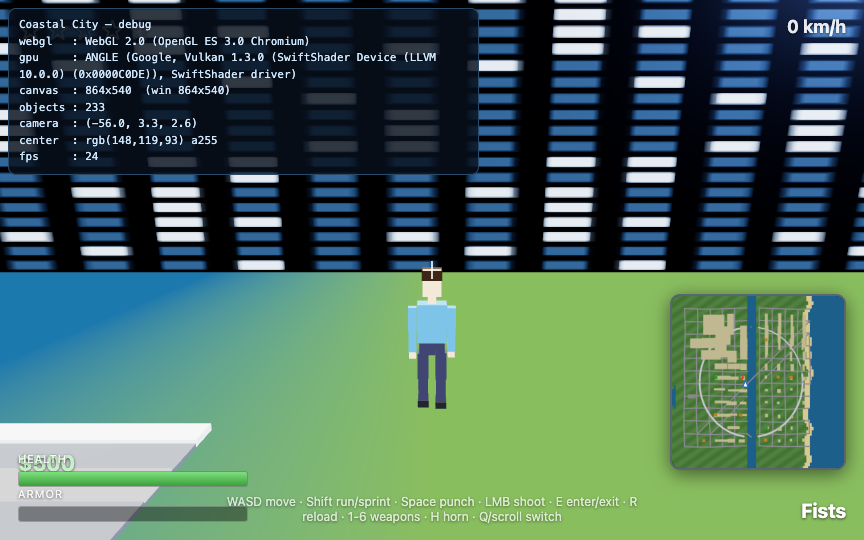
11Gemini 3.8 Flash | Closed | — | Many bugs | 2 corrective prompts for controls. About 13 min generation after the first prompt; USD 1.79. | Demo | |
|
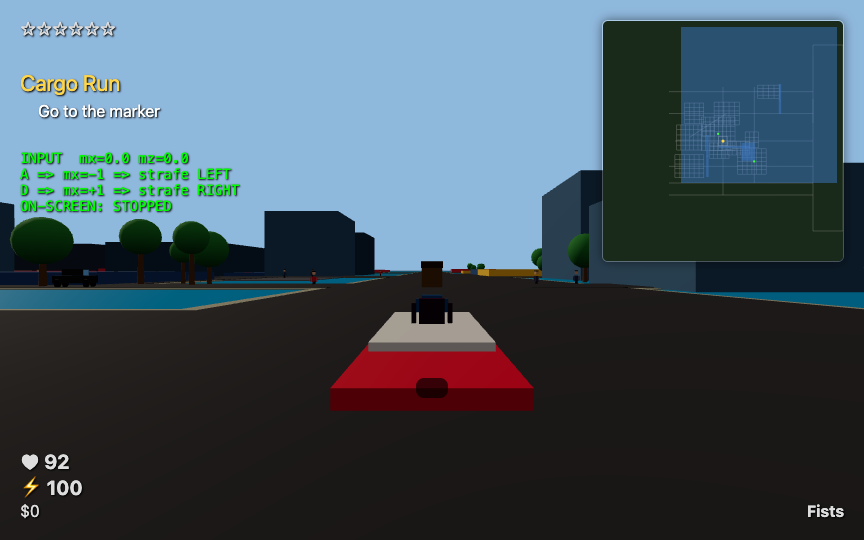
12Qwen 3.8 27B | Open-weight | 27B 19 GB ≈6.71 GB / 100K | Very many serious bugs | 6 corrective prompts covering spawn and camera, cars, bridges, vehicle entry, chase camera, mouse attack, and E-key debounce. Generation after the first prompt took 3 h 52 min.Show moreShow less6 corrective prompts covering spawn and camera, cars, bridges, vehicle entry, chase camera, mouse attack, and E-key debounce. Generation after the first prompt took 3 h 52 min. |
Demo | |
|
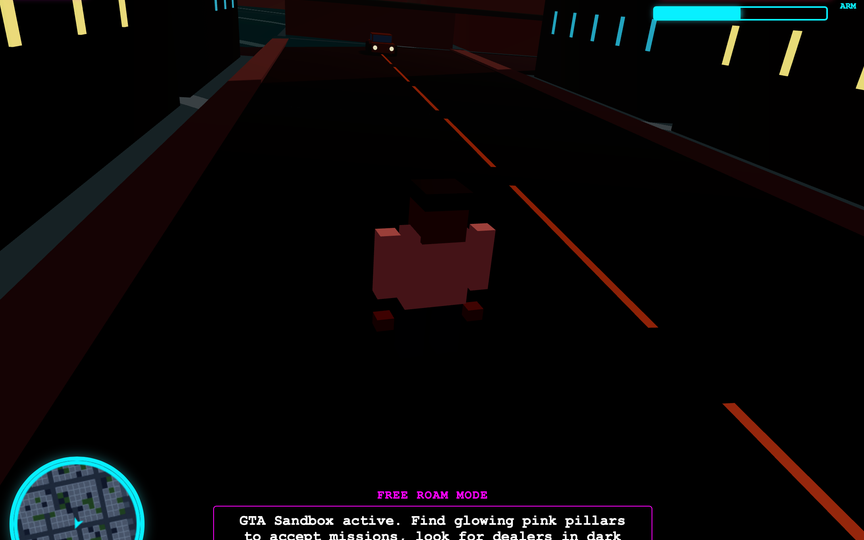
13DeepSeek V4 Flash 0731 DS4 Q2 | Open-weight, Q2 | 284B 164.6 GB ≈1.22 GB / 100K | Very many bugs | Required many corrective prompts for controls, especially to map the A and D keys correctly. | Demo | |
|
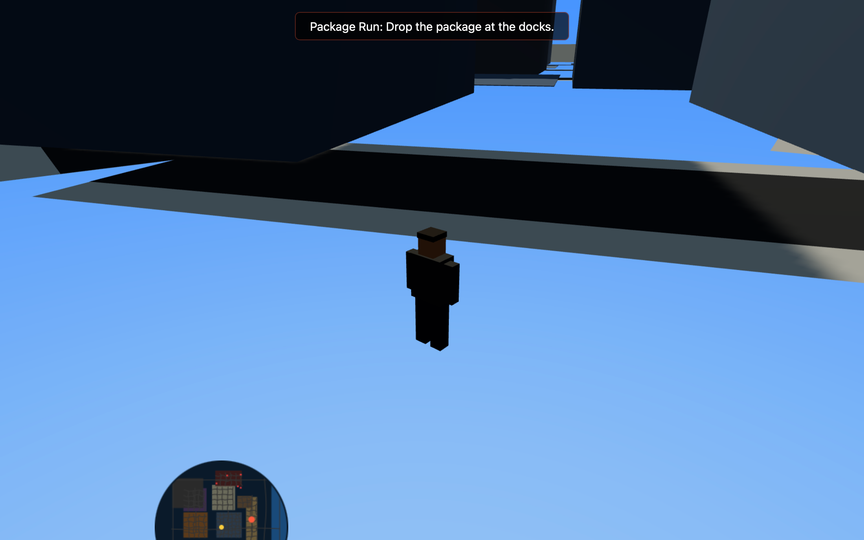
14Gemini 3.5 Flash | Closed | — | Very many bugs | - | Demo | |
|
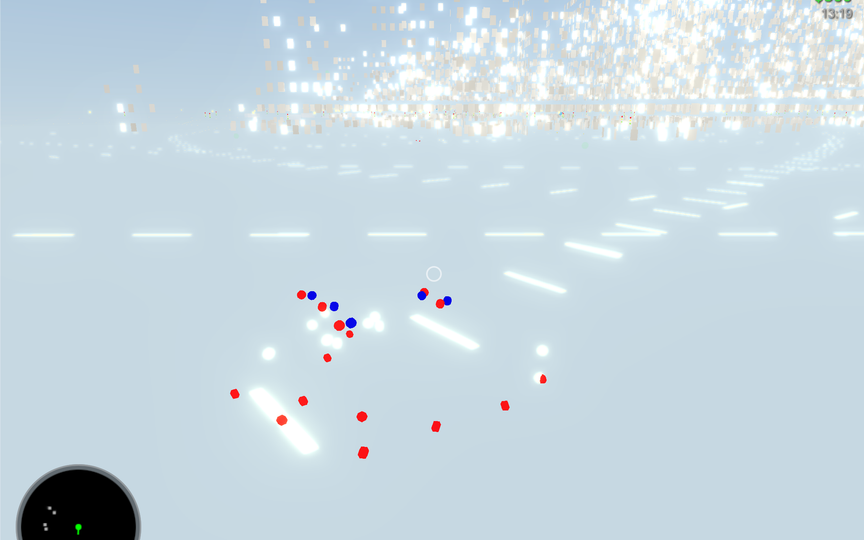
15GLM 5.2 | Open-weight (OpenRouter) | 744B 464.8 GB ≈9.52 GB / 100K | Very many bugs | - | Demo | |
|
16Qwen 3.6 27B ThinkingCap | Open-weight | 27B 16.8 GB ≈6.71 GB / 100K | Contains fatal bugs | No visible world. About 1 h 17 min generation after the first prompt. |
Demo |
**Shown when available: parameter count, Q4 weight size at 0K, and cache/state at 100K. We use a concrete Q4 checkpoint or a labeled Q4_K_M estimate; 100K assumes one sequence in the documented runtime. Weight quantization does not change the cache while the runtime keeps the same cache layout and data types. Hybrid models can differ substantially in another runtime. Unverifiable values are omitted, and a lone dash means no value is known. Runtime buffers, vision components, and offload are excluded; this is not a universal minimum RAM/VRAM requirement.
On mobile or tablet, Demo opens a website-owned wrapper with touch controls. The original benchmark code remains unchanged.
Method
Every run starts with the same original prompt. Follow-up implementation prompts may only fix bugs and runtime failures; tune controls, playability, performance, and reliability; or polish graphics, animation, and audio within the original assignment. They may not change the core brief or add a new primary gameplay system. Every follow-up intervention is disclosed and the run is labeled multi-prompt; questions, recovery after interrupted work, and documentation messages are tracked separately from implementation prompts.
Create a 3D open-world action game inspired by classic GTA-style gameplay. The game should have a stylized visual style close to GTA: San Andreas, but with improved graphics, better lighting, more detailed environments, and smoother animations. Do not use copyrighted GTA assets, names, characters, maps, or exact copies; create an original game with a similar open-world crime-action feeling.

The game should use a third-person camera. The player must be able to walk, run, sprint, fight in melee combat, shoot different types of weapons, and interact with vehicles. Weapons should be placed in various harder-to-reach locations across the map, or the player should be able to obtain them from armed gangsters or police officers after defeating them.

The player must be able to enter cars, steal cars, pull drivers out of vehicles, and drive around the city. The city should be inspired by Miami, with a tropical coastal atmosphere, boats, the sea, canals, bridges, beaches, hotels, highways, and dense urban districts.

The map should be fairly large and should not be a simple square grid. The road layout should include streets of different shapes, curves, alleys, intersections, multi-level intersections, bridges, tunnels, and a highway network with exits leading into city streets. The city should contain different districts with different architecture, atmosphere, culture, population density, and types of people, similar to real American cities.

Include districts such as:

* a Chinatown-style district,
* a Hispanic district,
* a district with a larger African-American community,
* a wealthy residential district,
* a downtown district with high-rise buildings,
* office districts with business buildings,
* coastal hotel areas with balconies, pools, bars, tourists, and people relaxing,
* dangerous gang-controlled districts,
* and one district occupied by homeless people living in tents.

The beach areas should be full of life. There should be people swimming, sunbathing, playing beach volleyball, walking, talking, skating, rollerblading, cycling, and relaxing near the sea. Streets in different districts should have different population densities, and pedestrians should visually and behaviorally match the district they are in.

Some dangerous districts should be controlled by gangs. Gangs should be visually recognizable by their clothing, colors, behavior, and preferred weapons. Gang members should patrol their areas, react aggressively to threats, and sometimes attack the player if provoked.

Create a custom map-generation format and tool for building the city. Think of it like a simplified SimCity-style internal format that describes roads, buildings, parks, parking lots, beaches, canals, bridges, highways, districts, spawn zones, and other city components. Use this format to generate repeated but varied patterns of buildings, roads, parks, parking lots, sidewalks, props, and environmental details. The city should feel handcrafted but should be generated from reusable rules and templates.

On the edge of the city, include an airport where planes can land and take off. The airport should have runways, hangars, parked vehicles, security areas, and moving aircraft.

The city should include civilians, gang members, police officers, police cars, police motorcycles, and two police helicopters. Police officers should appear as pedestrians, motorcycle officers, and drivers of police vehicles. The police should only start chasing the player when they witness the player committing a crime, such as shooting in the street, attacking civilians, stealing cars, or causing serious destruction. Police should not be everywhere; they should be distributed naturally so that the player is not immediately chased after the first small incident unless police are nearby and actually notice it.

Civilians should have different personalities and reactions. Most people should panic and run away when the player starts shooting, attacks someone, or tries to steal a car. Some drivers should panic and quickly drive away if the player tries to steal their vehicle but is too slow. A smaller number of civilians should be brave or aggressive and may fight back if the player attacks them, damages their car, or tries to steal their vehicle. However, if the player starts shooting, even these braver civilians should try to escape.

In dangerous districts, include dealers offering strange substances that can temporarily cause altered visual effects, distorted controls, hallucination-like effects, or other weird states for the player. These districts may also include prostitutes, addicts, and other street characters to make the atmosphere feel darker and more dangerous. Also include bars where the player can get drunk and where regular customers hang out, talk, argue, or react to the player.

The game should include classic GTA-style missions, but they should not feel repetitive. Each mission should be slightly different. Add around 20–30 missions in total. Mission types can include:

* delivering cargo from point A to point B,
* assassinating a gang leader,
* stealing a car full of money,
* winning illegal street races,
* escaping police during a race,
* finding and eliminating a rat cooperating with the police,
* protecting a character,
* attacking a gang hideout,
* stealing weapons,
* escaping by boat through canals,
* chasing a target through traffic,
* and other open-world crime-action mission types.

The game should include a mission system with objectives, markers, failure conditions, success conditions, rewards, and mission progression. Missions should use different vehicles, locations, enemies, and situations so that they do not feel copied from each other.

Add sounds for everything important:

* car engines,
* horns,
* brakes,
* crashes,
* tires,
* boats,
* helicopters,
* airplanes,
* footsteps,
* punches,
* gunfire,
* explosions,
* people talking,
* frightened civilians screaming,
* angry civilians shouting,
* police sirens,
* gang threats,
* bar ambience,
* beach ambience,
* city traffic,
* ocean waves,
* and general city noise.

Because this is a large and demanding task, plan it carefully before implementation. First create a dedicated TODO.md file. In TODO.md, break the whole project into clear milestones and smaller tasks. Then complete the work step by step, following the TODO.md file point by point. Keep updating TODO.md as tasks are completed. Do not skip details. Build the game gradually, starting with the core playable systems, then the city, traffic, pedestrians, police, gangs, missions, sound, UI, and final polish.
FAQ
It tests how AI models create a playable 3D open-world city with traffic, pedestrians, police, missions, and audio.
Yes. Playable outputs include a direct demo link in their result row.
Yes, but only for fixes and tuning within the original assignment. Every intervention is documented and the run is labeled multi-prompt.
It is a practical, subjective ranking based on functionality, playability, fun, scope, polish, and the bugs in each output.
Claude Opus 5.5's extensive open-world game currently holds first place.